
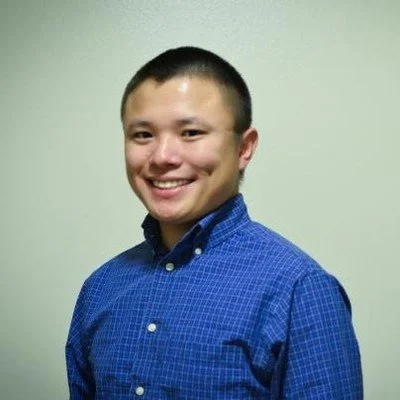
Jason Shi, PhD
Research Bioinformatician III
Cedars-Sinai Medical Center
Jason (Zhou) Shi, Ph.D. is a research bioinformatician at the Cedars-Sinai Human Microbiome Institute (HMRI) whose work focuses on developing computational and experimental approaches to understand and engineer the human microbiome. His research spans metagenomics, microbial genomics, machine learning, host-microbiome interactions, and bacteria-phage biology, with current interests including the discovery of novel microbial secretion systems and pathogens, microbiome engineering, and functional characterization of microbial proteins.
Dr. Shi received his Ph.D. in computational microbiology from the University of Oklahoma and subsequently conducted postdoctoral research at the Gladstone Institutes and Chan Zuckerberg Biohub. He later worked as a computational scientist at Genentech before joining Cedars-Sinai and HMRI with Dr. Suzanne Devkota. He has developed widely applicable computational methods for microbial strain tracking and metagenotyping, including GT-Pro and Maast. Dr. Shi has contributed to more than 40 peer-reviewed publications in journals including Nature, Nature Biotechnology, Nature Climate Change, Nature Ecology & Evolution, Genome Biology, and Cell Systems. His work has received approximately 10,000 citations.
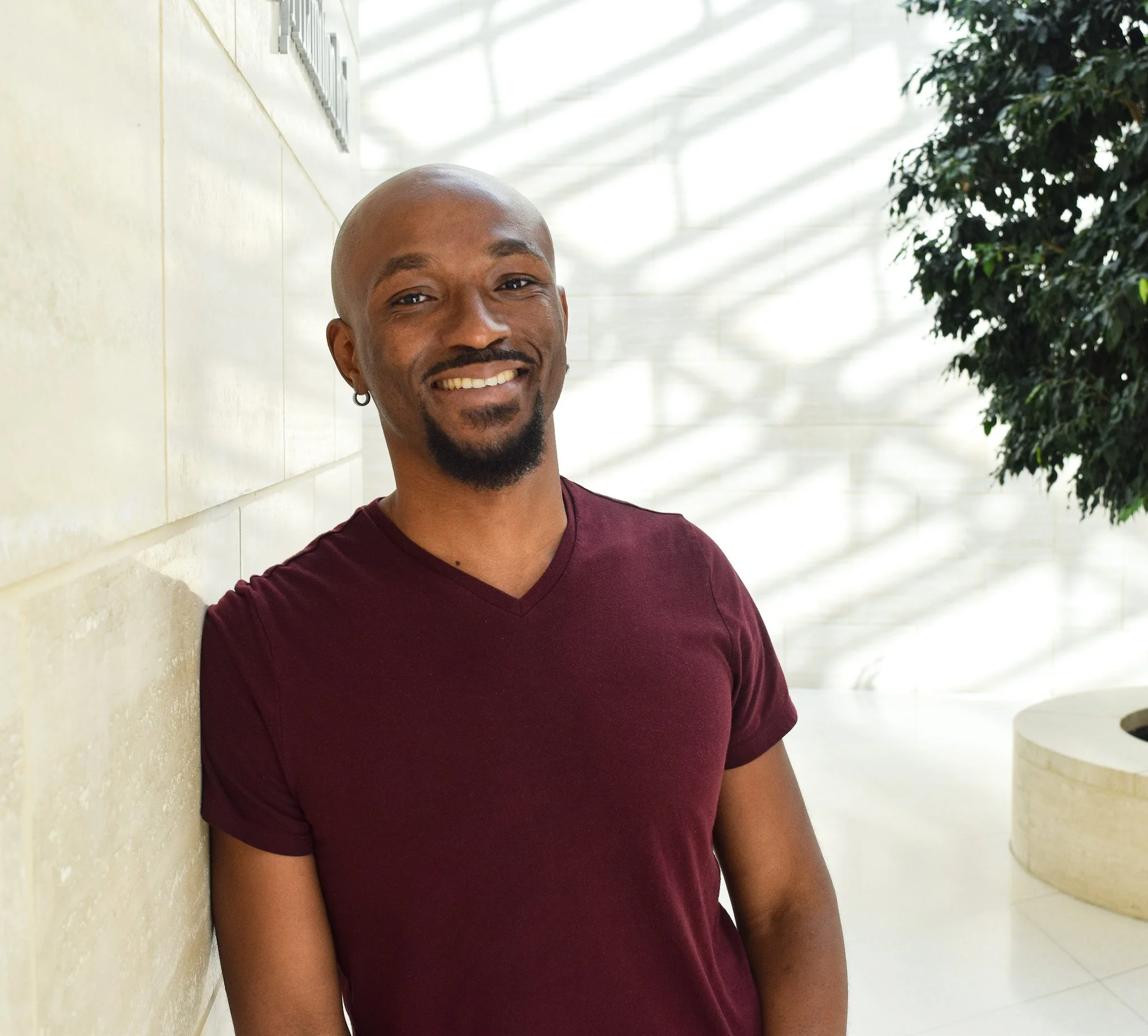
Kizito-Tshitoko Tshilenge Payeye, PhD
Research Scientist
Buck Institute for Research on Aging
Dr. Kizito-Tshitoko Tshilenge Payeye is a Translational Neuroscientist at the Buck Institute for Research on Aging, dedicated to accelerating therapeutic discovery for age-related and rare neurodegenerative diseases. Holding a Ph.D. in Translational Medicine from the Université de Nantes (France), his research spans retinal dystrophies, Huntington’s disease (HD), and X-linked dystonia-parkinsonism (XDP). Dr. Tshilenge leverages patient-derived induced pluripotent stem cells (iPSCs), multi-omics (proteomics, lipidomics, transcriptomics), and high-content imaging to decipher the molecular drivers of neurodegeneration.
At the Buck Institute, his current research focuses on targeting brain lipid dysregulation in neurodegeneration, having identified that loss of the lipid transporter ABCA1 leads to lipid droplet accumulation in HD. He leads an independent target validation program using HD patient-derived neurons and pharmacological strategies to restore ABCA1-mediated lipid export. Leveraging proteomic and lipidomic approaches, he evaluates whether this therapeutic strategy alleviates the cellular burden caused by dysregulated lipid metabolism in HD.
Dr. Tshilenge actively serves the scientific community as Guest Editor for Frontiers in Molecular Neuroscience and Peer Reviewer for npj Parkinson’s Disease, while also serving as a mentor to over 20 emerging scientists.
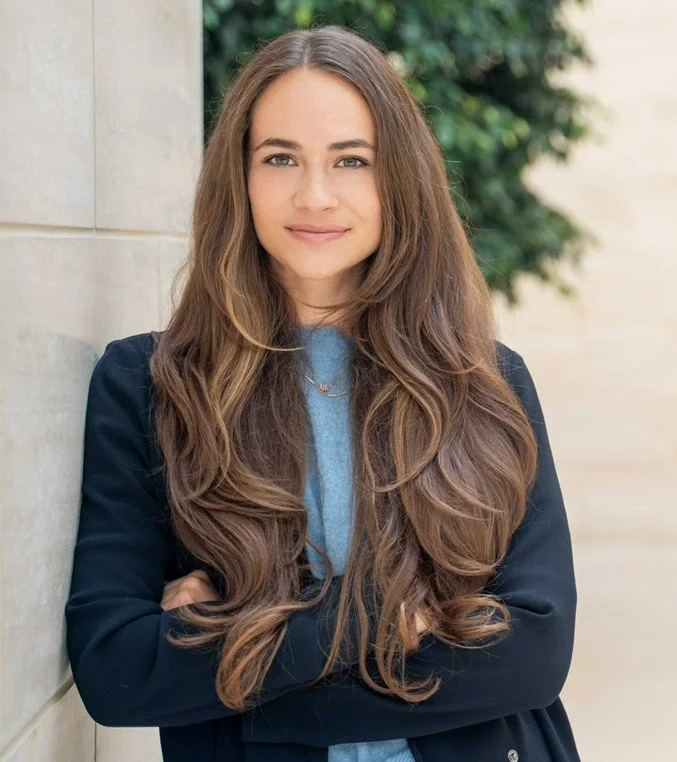
Tyne McHugh, PhD
Associate Scientist
Nuerona Therapeutics
Dr. Tyne McHugh is an Associate Scientist on the In Vitro Discovery team at Neurona Therapeutics, where she investigates the development, identity, and function of human stem cell–derived interneurons. She earned her PhD in Biology of Aging from the University of Southern California conducting her dissertation research at the Buck Institute for Research on Aging. Her doctoral work used gene-edited, iPSC-derived neurons to investigate how APOE genotype influences neuronal function and the molecular pathways associated with Alzheimer’s disease risk.